


ΕΛ/ΛΑΚ | creativecommons.gr | mycontent.ellak.gr |
freedom

Μελέτη του JRC: Η Παραγωγική Τεχνητή Νοημοσύνη Μετασχηματίζει τη Δημόσια Διοίκηση στην Ευρώπη

Η Παραγωγική Τεχνητή Νοημοσύνη (Generative Artificial Intelligence - GenAI) αποτελεί μία από τις σημαντικότερες τεχνολογικές εξελίξεις της τελευταίας δεκαετίας και ήδη επηρεάζει βαθιά τον τρόπο λειτουργίας των δημόσιων οργανισμών στην Ευρώπη. Από τη σύνταξη εγγράφων και τη διαχείριση γνώσης έως την εξυπηρέτηση πολιτών και τη λήψη αποφάσεων, οι δυνατότητες της τεχνολογίας δημιουργούν νέες προοπτικές για ...

Περισσότερα...

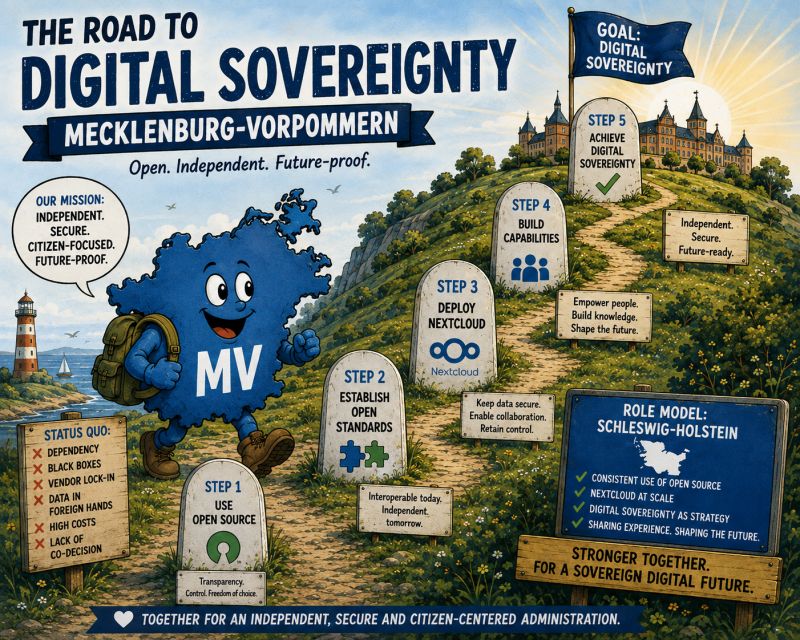
Ψηφιακή κυριαρχία με ανοιχτά πρότυπα και ανοιχτό λογισμικό

Από την εξάρτηση στον δημόσιο έλεγχοΗ ψηφιακή κυριαρχία δεν είναι μια αφηρημένη έννοια εξωτερικής πολιτικής. Είναι η καθημερινή ικανότητα ενός κράτους να γνωρίζει, να ελέγχει και να αλλάζει τις ψηφιακές υποδομές πάνω στις οποίες λειτουργούν οι δημόσιες υπηρεσίες, η οικονομία και τα δικαιώματα των πολιτών. Όταν ένα κρίσιμο πληροφοριακό σύστημα εξαρτάται αποκλειστικά από έναν προμηθευτή, ...

Περισσότερα...

Ψηφιακή κυριαρχία χωρίς ψηφιακή λογοκρισία

Το ανοιχτό διαδίκτυο ως δημοκρατικό κεκτημένοΗ Ευρώπη βρίσκεται μπροστά σε μια κρίσιμη επιλογή. Μπορεί να υπερασπιστεί τη δημοκρατία ενισχύοντας τη διαφάνεια, την ανθεκτικότητα, την κυβερνοασφάλεια και τη λογοδοσία των μεγάλων ψηφιακών πλατφορμών. Ή μπορεί, στο όνομα της «ψηφιακής κυριαρχίας», να διολισθήσει σε πρακτικές κρατικού ελέγχου του λόγου που θυμίζουν τα αυταρχικά καθεστώτα τα οποία υποτίθεται ...

Περισσότερα...

Η Ευρωπαϊκή Επιτροπή ενισχύει την επαναχρησιμοποίηση λογισμικού ανοικτού κώδικα στον δημόσιο τομέα

Η Ευρωπαϊκή Επιτροπή δημοσίευσε μια νέα έκθεση που προτείνει πρακτικές στρατηγικές για την αντιμετώπιση των εμποδίων που εξακολουθούν να περιορίζουν τη διαμοίραση και την επαναχρησιμοποίηση λογισμικού ανοικτού κώδικα (Open Source Software - OSS) μεταξύ των δημόσιων διοικήσεων στην Ευρώπη.Η δημοσίευση έρχεται σε μια ιδιαίτερα σημαντική χρονική συγκυρία για την ευρωπαϊκή ψηφιακή πολιτική. Στις 3 Ιουνίου ...

Περισσότερα...

Η Ολλανδική Ένωση Δήμων καθιερώνει το λογισμικό ανοικτού κώδικα ως προεπιλογή στις προμήθειες πληροφορικής

Η στροφή προς το λογισμικό ανοικτού κώδικα (Open Source Software) στον δημόσιο τομέα αποκτά ολοένα και μεγαλύτερη δυναμική στην Ευρώπη. Ένα χαρακτηριστικό παράδειγμα αποτελεί η πρόσφατη απόφαση της Ολλανδικής Ένωσης Δήμων (VNG – Vereniging van Nederlandse Gemeenten) να ενσωματώσει την αρχή «open source, εκτός αν υπάρχει λόγος για το αντίθετο» στις νέες κατευθυντήριες οδηγίες για ...

Περισσότερα...

Εργαστήριο με θέμα: «Ανοικτή Διακυβέρνηση – Ανοικτά Δεδομένα: Πρόκληση για την Ανάπτυξη»

Αύριο, 30.01, Εργαστήριο με θέμα: «Ανοικτή Διακυβέρνηση – Ανοικτά Δεδομένα: Πρόκληση για την Ανάπτυξη», περισσότερα εδώ (http://www.ekdd.gr/ekdda/index.php/gr/2012-09-11-12-27-32/295-ergastirio-me-thema-anoikti-diakyvernisi-anoikta-dedomena-proklisi-gia-tin-anaptyksi)

Σύντομα συμπεράσματα της συνάντησης για την Ανοιχτή Διακυβέρνηση (17.12)

H χθεσινή συνάντηση εργασίας (OGP-workshop-agenda-2013-Dec) επί του Εθνικού Σχεδίου Δράσης για την Ανοιχτή Διακυβέρνηση που πραγματοποιήθηκε τη  Τρίτη 17/12/2013,  στην κεντρική υπηρεσία του Υπουργείου Διοικητικής Μεταρρύθμισης και Ηλεκτρονικής Διακυβέρνησης ήταν ένα πολύ ενθαρρυντικό βήμα για τη συνέχεια τόσο σε επίπεδο συμμετοχής, όσο και συζήτησης. Τα βασικά συμπεράσματά της, περιλαμβάνουν: 1. Οι συμμετέχοντες προέρχονταν απο όλους τους εμπλεκόμενους χώρους … Read more

Governing on Openness – Informal networks

http://liveradio.radiobubble.gr/2013/12/governing-on-openness-informal-networks_5739.html

#heroic Snowden (5:45)
Snowden’s actions can create a crack of optimism and encourage more people to come out with such information.
#whistleblowing (9:30)
We need to provide some kind of protection and secure a future for people who reveal info.
#luther blisset (q) (10:55)
Changing sides, reacting on existing order
http://en.wikipedia.org/wiki/Q_(novel), defying existing mechanisms.
Support new organisation practices
#informal networks (13:00)
Formal networks are appearing with steady missions, agenda and practices.
Actors from such networks can form new kind of networks which can be
infomal or non formal, attaching to few, or no particular, rules of
networking. The context, and the way formal networks propagate into it, is also to be dynamically understood. Meeting people within a certain pre specified context, be it work or family, can be a very restraining experience. Spontaneous networks (exchange of info in streets, metro tickets) are interesting examples of ad
hoc, unexpected formation of bonds, relations and info exchange.

Governing on Openness, discussing on asylum seeking: protagonists, procedures, promises

#migrants, refugees (5:00) Understanding the (blurred) distinctions between migrants, refugees as transnational bodies. The existing criteria (ex. Geneva Convention, http://en.wikipedia.org/wiki/Convention_relating_to_the_Status_of_Refugees) used to assign a refugee status should derive from the “benefit of the doubt” for the applicant. This applies to NGOs and other actors working on the field. #asylum services (15:00) New Asylum Service in Greece … Read more

Governing on openess / following Zeu’s code (open source software for elections)

http://liveradio.radiobubble.gr/2013/11/governing-on-openness-listen-following.html

#open_government (6:50)
We, as civil society, have nowadays our own systems and methodologies that allows to control power and its authorities.

#Zeus open source software for elections (9:00)
Zeus (description at https://www.usenix.org/sites/default/files/jets0101-complete.pdf) is a, full circle, elections open source software and methodology. 120 elections and 23000 voters have taken place with Zeus in various Greek institutions. It is a browser based procedure, organising voters, votes and results in an open, transparent and efficient way. Anonymity of voters and non identification of votes are effectively answered through cryptography and mathematical models. For example, the electoral committee does not have access to votes, unless in a random way due to a shuffle mechanism: you do not know how you shuffle, but need to prove that you do it correctly. For example, the electoral committee does not have access to the contents of the votes until they have been shuffled in way that breaks the link between each voter and their ballot. The shuffle is done is such a way that you can show that you still have the same ballots at its output, without linking it with the input. So the votes are anonymised.

Read more